
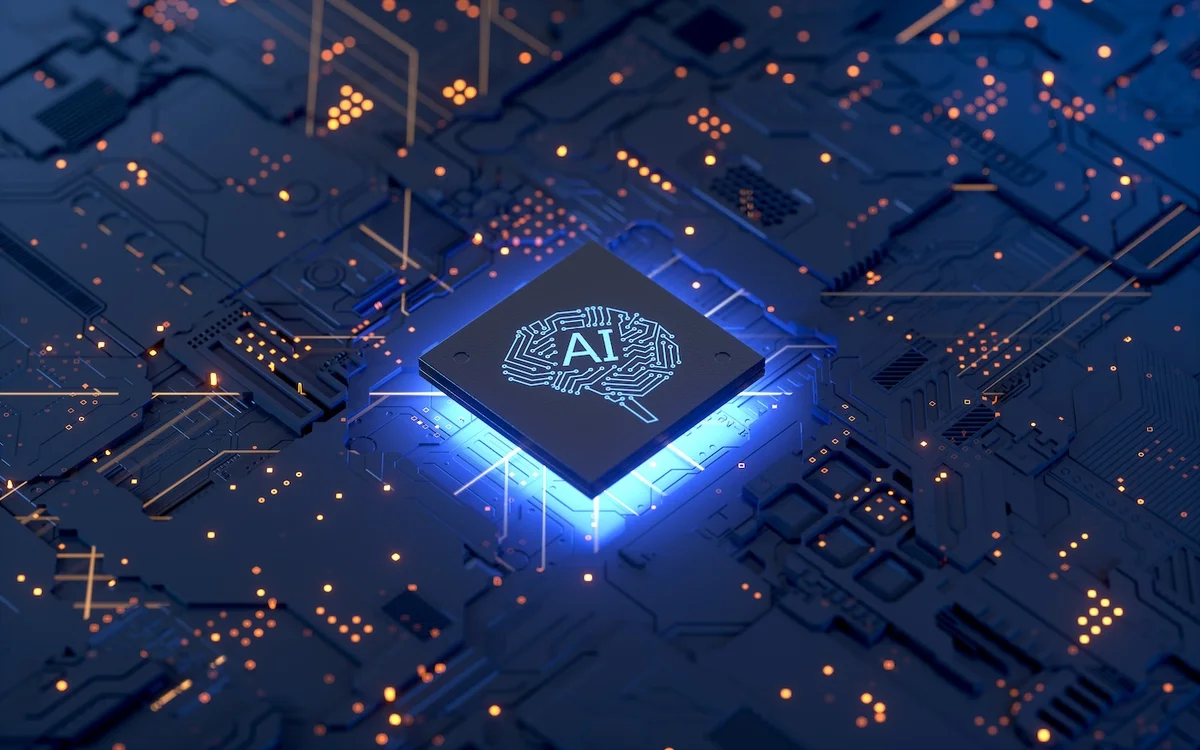
There is much excitement around the potential of AI to transform entire industries, from streamlining operations to creating new revenue streams.
Indeed, as research from global vision solution provider Hanwha Vision reveals, AI is a top investment priority for pioneers to drive innovation, increase profitability and improve security.
AI’s operational efficiencies
Yet these benefits can only be realised if there is sufficient trust in the AI being used and the insights it delivers – among people, who give consent for their data to be collected and analysed, and employees who will act on AI’s results and recommendations. What’s more, some employees may also worry that AI could take their jobs, and so consequently disengage with AI implementation.
Unlocking AI’s operational efficiencies and revenue potential can create momentum across the workforce, which will prove critical for AI’s long-term success across all industries. That is why many organisations are increasingly looking to appoint a senior figure to champion the responsible use of AI and, ultimately, see the company-wide view of how AI can augment the workforce.
Introducing the Chief AI Officer
Security pioneers are increasingly partnering with their IT and functions mates as video security
Research shows that more than one in five (21%) organisations are planning to hire a Chief AI Officer for their leadership team. The Officer’s remit is anticipated to expand far beyond IT to encompass all uses of AI in the company.
Security pioneers are increasingly partnering with their IT and operations counterparts as video security systems become increasingly complex, move to the cloud, and deliver added value through AI and analytics. Therefore, the Chief AI Officer is expected to take an active, interested role in the adoption and use of AI-enabled video across the organisation.
Interest in AI-enabled video
AI-enabled video will be particularly attractive to the Chief AI Officer because of the business value-beyond security-that it promises. Retail, manufacturing, and smart city pioneers recently surveyed by Hanwha Vision expressed eagerness to use AI-enabled video to support wider operations such as health and safety, maintenance and staffing schedules, optimisation of store layouts, city planning and optimised traffic flow.
In fact, AI-enabled video is now deemed a major asset in overcoming common business hurdles such as finding new efficiencies, cost control and managing complicated supply chains, with nearly one-third (31%) of pioneers backing it, according to Hanwha Vision’s research. For comparison, this is almost double the number (17%) of pioneers turning to automation and robotics to address their business needs.
A unique skill set
Crucially, they will also be responsible for sharing with stakeholders about AI’s use of data
A Chief AI Officer will possess unique skills, including the ability to align AI with business goals, create use cases, engage stakeholders with AI plans, ensure AI use complies with local and global legislation, and the technical knowledge needed to invest in and deploy AI solutions.
As the most senior person responsible for governing the use of AI, they will drive the training required to help people work alongside and oversee AI. Crucially, they will also be responsible for communicating with stakeholders about AI’s use of data and the protections put in place to keep it secure.
Balancing use and identifying reliable partners
Of course, the Chief AI Officer will be highly AI and data literate and will stay abreast of new AI developments to assess how their strategy impacts the use of AI in their organisation. They must also balance the benefits and risks of AI and be able to communicate this to stakeholders.
Research shows that for every $1.00 (US) invested in AI across companies, an average of $3.50 is returned
They will know which manufacturers to work with based on their attitude to responsible use, ethical manufacture, and commitment to cybersecurity. A strong business acumen will also allow Chief AI Officers to evaluate and demonstrate AI’s return on investment (ROI). Research shows that for every $1.00 (US) invested in AI across companies, an average of $3.50 is returned. This impressive ROI is the result of greater insights, productivity gains, and automated workflows.
Security’s ally
As AI becomes ever more prevalent, a Chief AI Officer will no doubt join the company in the coming years. Having this individual in the corner will prove invaluable, as they will bring deep AI and business expertise to the use of AI, including video. In turn, they will help them extract greater value from the data collected by the security system.
Furthermore, as the regulatory environment shifts, the Chief AI Officer will be able to guide their organisations as they navigate the introduction of new laws around the use of AI, such as the EU’s Artificial Intelligence Act (AI Act), which passed into law in March 2024 and comes into effect later in the year. By spotting patterns, identifying trends and alerting managers to the situations that deserve their attention, AI and the Officer responsible for its use will transform how they do business.
