

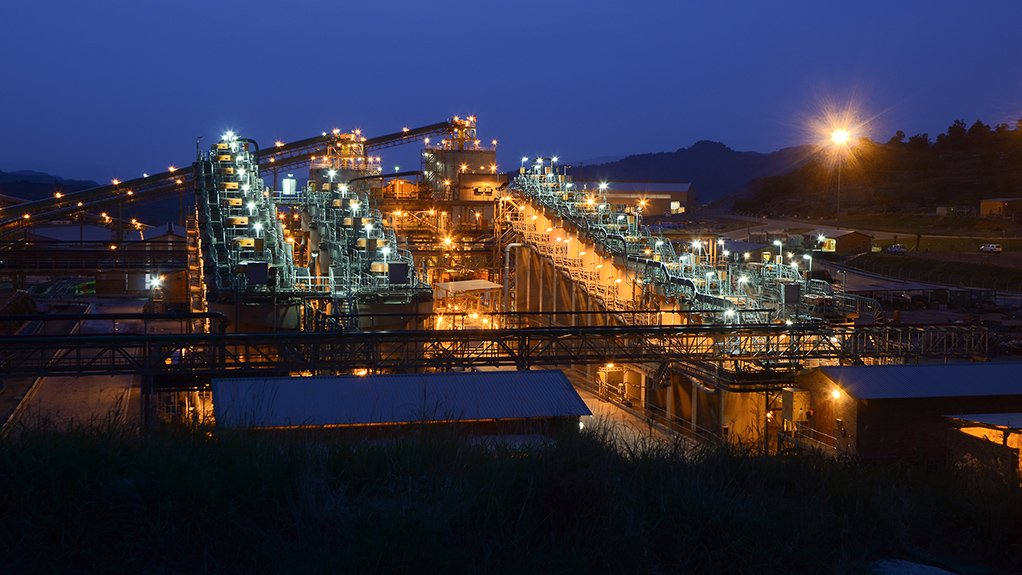
Critical infrastructure facilities form the backbone of modern society, delivering essential services such as electricity, water, fuel, transportation, and communications. Any disruption to these services can have widespread consequences for communities, businesses, governments, and economies. As a result, operators of critical infrastructure face increasing pressure to implement robust security measures that protect assets, personnel, and operations while meeting stringent regulatory requirements.
One of the most effective approaches to safeguarding these facilities is the adoption of a layered access control strategy. By implementing multiple levels of security from the perimeter through to the most sensitive operational areas, organizations can significantly reduce the risk of unauthorized access, improve accountability, and strengthen regulatory compliance.
Building Security from the Outside In
A layered security model is designed to provide progressively stronger protection as individuals move deeper into a facility. Rather than relying on a single security barrier, the approach combines multiple access control measures that work together to deter, detect, and prevent unauthorized entry.
This strategy begins at the facility perimeter and extends through reception areas, operational zones, and highly sensitive locations where critical assets and systems are housed. Each layer serves a distinct purpose while contributing to a comprehensive security framework.
Regulatory Compliance Drives Security Requirements
Critical infrastructure facilities are subject to a wide range of regulations that require organizations to maintain defensible security strategies. These regulations typically mandate strict access control procedures, ongoing supervision of site access, and detailed record-keeping to verify compliance.
Maintaining accurate records of who enters and exits a facility is essential not only for compliance purposes but also for incident investigations and operational accountability. A layered access control system helps organizations demonstrate that only authorized personnel have access to restricted areas while ensuring all movements are properly monitored and documented.
Deterrence: Securing the Perimeter
The first layer of protection focuses on deterrence and is typically deployed at the outer perimeter of a facility. This may include fence lines, vehicle entry points, and pedestrian access routes.
Full-height turnstiles are commonly used in these areas because they create a secure and controlled entry point for pedestrians. These robust barriers prevent unauthorized individuals from entering while allowing credentialed personnel to access the site efficiently.
In addition to enhancing security, full-height turnstiles help separate pedestrian and vehicle traffic, reducing the risk of unauthorized vehicle access. Their durable construction makes them particularly suitable for demanding environments such as power stations, ports, water treatment facilities, refineries, and chemical plants.
Detection: Monitoring Access and Visitor Movement
The second security layer focuses on detecting and monitoring access attempts. This level is commonly implemented within reception areas, administration buildings, and facility lobbies where employees, contractors, and visitors first enter operational areas.
Optical turnstiles are widely used at this stage. Equipped with advanced sensors, these systems detect tailgating attempts and alert security personnel when unauthorized access is suspected. They provide an effective balance between security and user convenience while maintaining a professional appearance.
When combined with reception staff or security personnel, optical turnstiles provide an additional level of oversight. Visitor credentials can be verified, movements monitored, and access records maintained, helping ensure accountability throughout the facility.
Prevention: Protecting High-Security Areas
The highest level of security is reserved for critical operational zones and sensitive infrastructure where unauthorized access could result in serious safety, operational, or security risks.
Security mantrap portals and high-security revolving doors are designed specifically for these environments. These systems ensure that only one individual can enter at a time and often require multiple authentication methods before access is granted.
Biometric technologies such as fingerprint, facial recognition, or iris scanning are frequently integrated alongside traditional credentials to verify identity. Mantrap portals use two interlocking doors, ensuring that one door must close and secure before the second can open. This design effectively prevents tailgating, piggybacking, and unauthorized entry.
By creating a controlled and highly secure access environment, these systems provide maximum protection for mission-critical assets and operational areas.
Security for Large and Complex Facilities
Many critical infrastructure sites, including power plants, ports, railway facilities, and refineries, cover extensive areas and contain multiple access points. Implementing a layered security strategy is particularly important in these environments, where different areas often require varying levels of protection.
A typical deployment may include full-height turnstiles at perimeter entrances, optical turnstiles within administration and visitor areas, and mantrap portals protecting control rooms, data centres, and other restricted operational zones.
This multi-layered approach enables organizations to maintain security throughout the entire facility while supporting operational efficiency and compliance obligations.
Enhancing Accountability Through Advanced Access Control
Modern access control technologies provide organizations with valuable visibility into personnel movement and site activity. Every entry and exit can be recorded and linked to an individual’s credentials, creating a comprehensive audit trail.
Biometric authentication further strengthens accountability by ensuring that the person presenting an access credential is its legitimate owner. Advanced security entrances also help eliminate common vulnerabilities such as credential sharing, passback incidents, and tailgating attempts.
These capabilities provide security teams with greater confidence in access management while supporting investigations, compliance reporting, and risk management initiatives.
Balancing Security and Operational Efficiency
While security remains a top priority, critical infrastructure operators must also ensure that access control measures do not create unnecessary delays or operational bottlenecks.
The strategic combination of different security entrance technologies allows organizations to maintain high levels of protection while supporting smooth movement throughout the facility. High-security revolving doors can accommodate a steady flow of authorized personnel, while mantrap portals can be reserved for areas where stricter access procedures are required.
This balance ensures that security measures support, rather than hinder, operational productivity.
Protecting Essential Infrastructure Through Layered Security
As threats to critical infrastructure continue to evolve, organizations must adopt security strategies that provide comprehensive protection without compromising operational performance. Layered access control systems offer a proven approach by combining perimeter security, visitor management, identity verification, and high-security access solutions into a unified framework.
By integrating technologies such as full-height turnstiles, optical turnstiles, mantrap portals, biometric authentication, surveillance systems, intrusion detection, and alarm monitoring, critical infrastructure operators can build resilient security environments that protect assets, personnel, and essential services.
Whether securing power generation facilities, ports, water treatment plants, transportation hubs, or communications infrastructure, a well-designed layered security strategy remains one of the most effective tools for ensuring operational continuity, regulatory compliance, and long-term resilience.
