

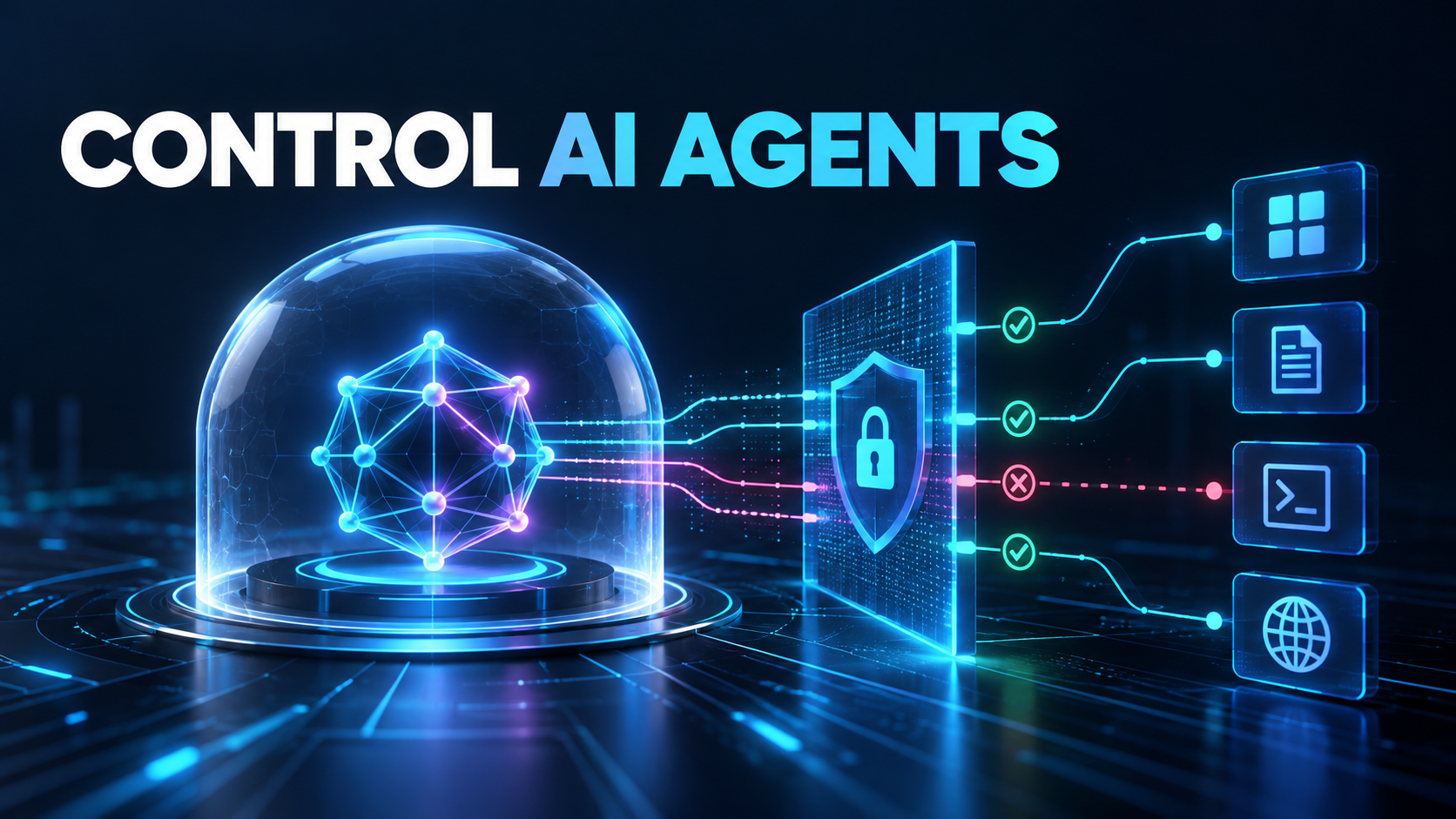
Cybersecurity company ThreatLocker has launched Zero Trust AI Control (ZTAIC), a security solution designed to restrict the applications, processes and services that AI agents can access and use within an organisation’s environment.
Announced on 21 October, ZTAIC aims to address the growing security risks associated with agentic AI, where AI systems can perform actions across applications and services rather than simply generate information.
ThreatLocker said the solution enforces security controls independently of AI deployments, enabling security teams to govern agent activity even when AI systems behave unexpectedly or fail to follow their built-in safeguards.
A single request to an AI agent can trigger a chain of actions involving multiple applications, scripts, browsers and services. ZTAIC is designed to maintain security restrictions throughout these workflows by controlling which resources agents can access, what they can execute and which services they can connect to.
The platform includes recommended security policies that organisations can apply and customise to suit their environments. These policies are intended to simplify the process of establishing clear boundaries around AI agents and reducing the risk of unauthorised activity.
ZTAIC also integrates with ThreatLocker’s Allowlisting and Web Content Control products. According to the company, these capabilities enable organisations to control which AI applications and browser-based services can run, while restricting the actions authorised AI agents can perform.
Danny Jenkins, CEO and co-founder of ThreatLocker, said the growing use of AI agents has fundamentally changed the cybersecurity landscape, as these systems increasingly take action across organisational environments.
“Organisations around the world need a way to adopt AI with the peace of mind that they aren’t handing over the keys to their environments,” Jenkins said.
With ZTAIC, ThreatLocker aims to help organisations adopt AI-powered automation while maintaining greater control over the applications, processes and services AI agents can interact with.
