

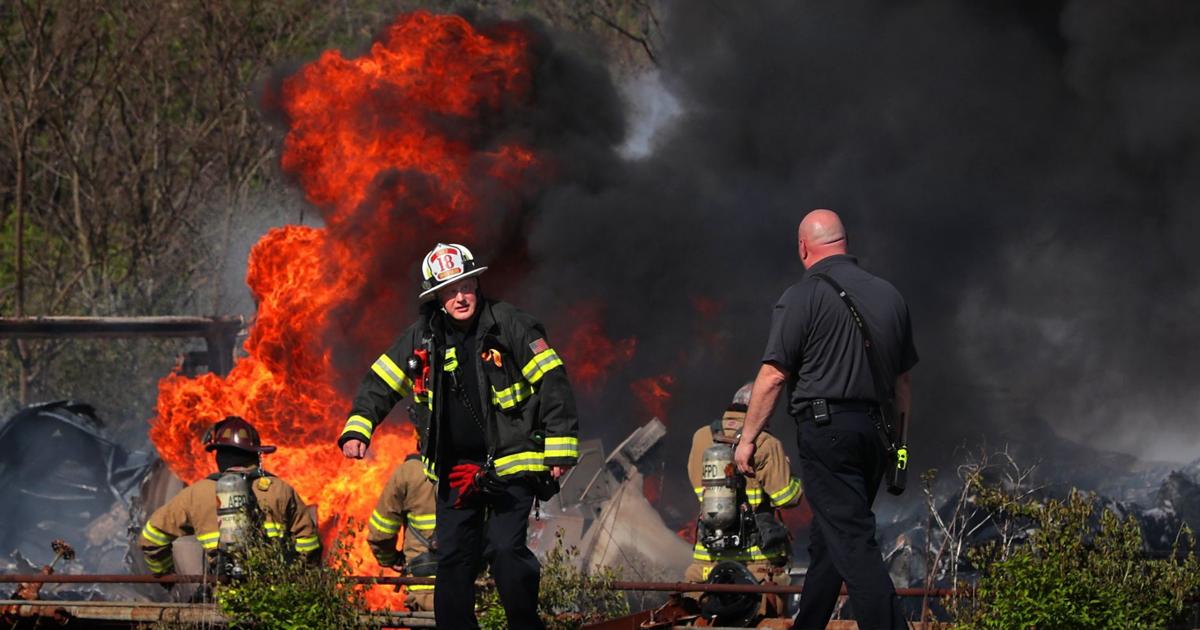
Seven municipalities in St. Louis County, Missouri, are exploring the possibility of creating a single regional fire department in a move aimed at improving emergency response capabilities, addressing staffing challenges, and reducing operational costs.
The cities of Olivette, University City, Clayton, Richmond Heights, Maplewood, Webster Groves, and Shrewsbury have each agreed to contribute up to US$40,000 towards a comprehensive feasibility study that will assess the benefits and challenges of consolidating their existing fire departments into a unified regional agency. If approved, the new fire authority could become operational as early as 2028.
The initiative comes at a time when fire and emergency service providers across North America are facing increasing financial pressures, rising equipment costs, staffing shortages, and growing demands for more efficient service delivery. Officials involved in the proposal believe that a regional approach could provide greater operational flexibility while improving emergency response times for the communities served.
The seven departments currently employ a combined workforce of 216 fire personnel and operate with a collective annual budget of approximately US$36 million. Together, they serve around 108,000 residents across a significant portion of central St. Louis County.
Supporters of the proposal argue that the existing system of separate municipal fire departments no longer reflects the realities of modern emergency service operations. Although the departments already work closely together through mutual aid agreements, shared training facilities, and coordinated emergency responses, they continue to operate under separate administrative structures.
According to Clayton City Manager David Gipson, a unified organisation could create a more efficient command structure while eliminating duplication of administrative functions.
The proposed model would establish a regional fire authority funded by participating municipalities rather than through independent taxation. Oversight would be provided by a board representing the member cities, ensuring local input while allowing for centralised operational management.
One of the key objectives of the study will be to evaluate how a regional department could improve resource deployment. Under the current system, municipal boundaries can sometimes affect which units are dispatched to incidents, even when neighbouring departments may be closer to the emergency location.
Fire service representatives believe a consolidated system could allow dispatchers to send the most appropriate and nearest available resources regardless of municipal boundaries, improving response times and operational effectiveness.
The study will also examine potential financial benefits. By combining resources, municipalities may be able to reduce administrative overheads, streamline procurement processes, and maximise the utilisation of specialised equipment such as fire apparatus, ambulances, and rescue vehicles.
For many municipalities, the rising cost of providing fire and emergency medical services has become a significant budgetary challenge. Shrewsbury, for example, allocates approximately US$3 million annually to fire and EMS services, representing nearly one-third of its municipal budget.
Labour organisations have also expressed interest in the proposal. A regional fire authority could create opportunities to standardise salaries, benefits, and working conditions while enhancing the ability to recruit and retain qualified firefighters in an increasingly competitive labour market.
Despite the potential benefits, not all municipalities have embraced the initiative. Several neighbouring cities declined to participate in the study, citing concerns over the loss of local control and questioning whether the costs of consolidation would outweigh the advantages.
Nevertheless, supporters believe the study will provide valuable data to help decision-makers determine whether regionalisation offers a viable path forward. A steering committee comprising elected officials, fire chiefs, union representatives, city managers, and finance directors is expected to oversee the process and ensure that all aspects of the proposal are thoroughly evaluated.
As fire departments worldwide continue seeking ways to improve efficiency, enhance service delivery, and manage rising operational costs, the St. Louis County initiative reflects a growing trend toward regional collaboration in emergency services. Whether the proposed merger ultimately proceeds or not, the study is expected to provide important insights into how fire and rescue services can evolve to meet the demands of modern communities.
