

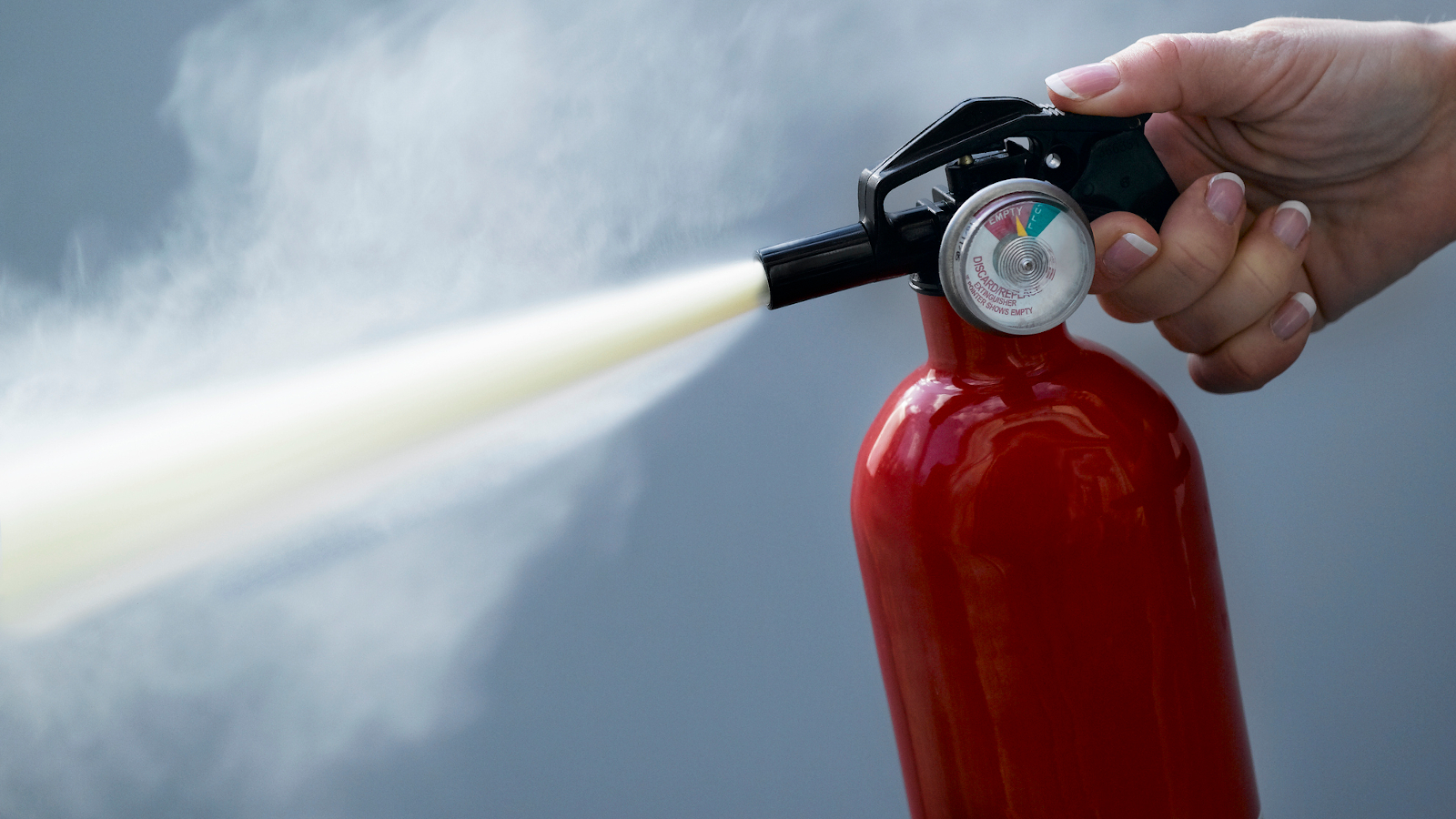
Fire extinguishers are essential safety devices in homes, businesses, industrial facilities and mining operations, providing the first line of defence against small fires. However, after an extinguisher has been discharged, many people wonder whether the powder poses any health risks.
While dry chemical fire extinguisher powder is generally considered to have low toxicity, it can cause temporary irritation to the eyes, skin and respiratory system. Understanding the potential effects of exposure, as well as the correct cleanup procedures, can help minimise health risks and ensure a safe working environment.
Is Fire Extinguisher Powder Dangerous?
Most dry chemical fire extinguishers are designed to extinguish fires quickly while posing minimal risk to human health. The powder is classified primarily as an irritant rather than a toxic substance, meaning it is unlikely to cause serious poisoning during normal accidental exposure.
Most people who come into contact with the powder experience only temporary discomfort, particularly if they move away from the affected area and follow basic first-aid measures.
However, individuals with asthma, chronic respiratory diseases or other underlying health conditions may experience stronger reactions, especially if exposed in enclosed or poorly ventilated spaces.
What’s Inside Fire Extinguisher Powder?
The composition of fire extinguisher powder depends on the type of extinguisher being used.
ABC dry chemical extinguishers, the most common type found in homes, offices and industrial facilities, primarily contain monoammonium phosphate, which is effective against Class A, B and C fires involving ordinary combustibles, flammable liquids and electrical equipment.
BC dry chemical extinguishers typically contain sodium bicarbonate or potassium bicarbonate, making them suitable for flammable liquid and electrical fires.
Although these chemicals are considered safe for emergency firefighting, the extremely fine powder particles can irritate exposed tissues when inhaled or when they come into contact with the eyes or skin.
Possible Health Effects
The severity of symptoms depends on the amount of powder involved and the duration of exposure.
Inhalation
Breathing in fire extinguisher powder is the most common form of exposure. The fine particles may cause coughing, throat irritation, shortness of breath and temporary chest discomfort.
Most symptoms improve quickly after moving into fresh air. However, individuals with asthma or chronic obstructive pulmonary disease (COPD) may experience more severe breathing difficulties and should monitor their symptoms closely.
Eye Contact
Powder entering the eyes can cause redness, watering, irritation, burning sensations and temporary blurred vision. These symptoms usually disappear once the eyes have been thoroughly rinsed with clean water.
Skin Contact
Direct skin exposure generally causes only mild irritation, dryness or redness, particularly in people with sensitive skin or after prolonged contact.
Accidental Ingestion
Although uncommon, swallowing small amounts of fire extinguisher powder may result in mild throat irritation, nausea or stomach discomfort. Serious poisoning is extremely rare.
What to Do After Exposure
Most cases of accidental exposure can be managed with simple first-aid measures.
Anyone who has inhaled the powder should move immediately to an area with fresh air and monitor their breathing until symptoms improve.
If the powder enters the eyes, they should be flushed gently with clean water for at least 15 minutes while avoiding rubbing, which may worsen irritation.
Powder on the skin should be washed off thoroughly using soap and water, and contaminated clothing should be removed promptly.
Medical attention should be sought if breathing difficulties persist, eye irritation remains severe, symptoms worsen, or the exposed person has a pre-existing respiratory condition.
Safe Cleanup Procedures
Cleaning up discharged fire extinguisher powder properly is important for both health and equipment protection.
Before beginning cleanup, appropriate personal protective equipment such as gloves and a dust mask should be worn. The affected area should be well ventilated by opening windows or using mechanical ventilation where possible.
Loose powder should be carefully vacuumed or swept without creating excessive airborne dust. Remaining residue can then be removed using a damp cloth.
Special care should be taken when cleaning electronic equipment, as fine powder can enter vents, switches and electrical connections, potentially causing corrosion or operational problems if left in place.
Collected waste should be disposed of in accordance with local environmental regulations.
Importance for African Industries
Across Africa’s mining, manufacturing, logistics, healthcare and commercial sectors, dry chemical fire extinguishers remain the most widely used portable firefighting equipment due to their versatility and effectiveness.
Ensuring workers understand how to respond safely after extinguisher discharge forms an important part of workplace health and safety programmes. Regular fire safety training should include not only extinguisher operation but also guidance on exposure management, equipment inspection and post-incident cleanup.
Routine inspection and maintenance of fire extinguishers also ensures they remain fully operational and ready for use during emergencies while reducing the likelihood of accidental discharge or equipment failure.
Supporting Safer Workplaces
Although fire extinguisher powder is generally considered to have low toxicity, proper handling remains essential. Prompt first aid, appropriate cleanup procedures and good workplace safety practices can minimise irritation and prevent unnecessary health risks.
As industries across Africa continue to strengthen occupational health and safety standards, understanding the safe use and management of firefighting equipment will remain an important part of protecting workers, facilities and critical infrastructure.
